Is Stainless Steel Sheet Corrosion Resistant? Insights from a Stainless Steel Sheet Supplier in Portland, Oregon
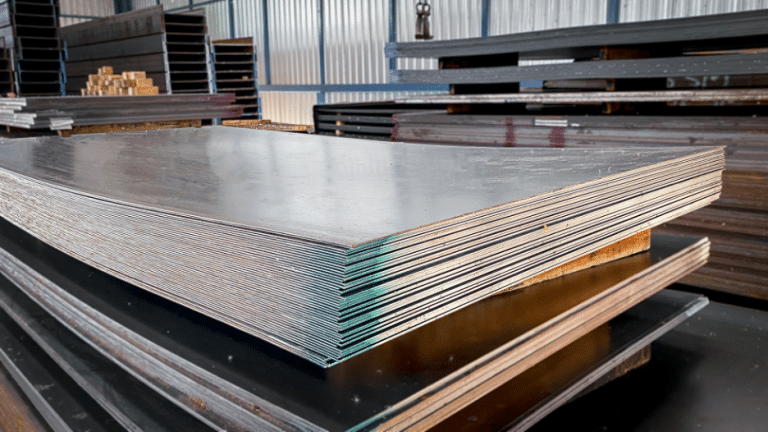
Stainless steel sheet is widely used in manufacturing, fabrication, foodservice equipment, HVAC, transportation, and industrial applications because it combines durability with strong resistance to corrosion. That resistance comes from the chromium contained in stainless steel, which forms a thin protective oxide layer on the surface.
However, stainless steel is not completely immune to corrosion. Performance depends on the grade, environment, surface condition, fabrication process, and exposure to chemicals or moisture. Below, this stainless steel sheet supplier in Portland, Oregon is going to explain why stainless steel resists corrosion and what businesses should consider when selecting a grade for a specific application.
Why Is Stainless Steel Corrosion Resistant?
Stainless steel contains enough chromium to form a thin, passive oxide film on its surface.
This layer helps isolate the underlying metal from the surrounding environment and can reform when oxygen is available. Your stainless steel sheet supplier in Portland, Oregon can help you compare grades based on the conditions the material will be exposed to.
The passive layer is one of the main reasons stainless steel performs differently from ordinary carbon steel in corrosive environments.
Can Stainless Steel Still Rust?
Yes.
Stainless steel can corrode when environmental conditions overwhelm or damage its protective passive layer. Chlorides, strong acids, contamination from carbon steel, prolonged moisture exposure, and certain high-temperature conditions can all contribute to corrosion.
The appearance of rust does not necessarily mean the material was never stainless steel. It may indicate that the grade, surface condition, or environment was not well matched.
Does the Grade of Stainless Steel Affect Corrosion Resistance?
Yes. Different stainless steel grades are designed with different chemical compositions and performance characteristics.
Grades such as 304 and 304L are widely used across many manufacturing and fabrication applications. Grade 316L contains molybdenum, which can improve resistance to certain chloride-containing environments.
For manufacturers in the Portland area, choosing the appropriate grade should be based on the actual exposure conditions rather than assuming every stainless steel sheet will perform the same way.
What Is Pitting Corrosion?
Pitting is a localized form of corrosion that creates small cavities or pits in the metal surface.
It can occur when the passive layer is disrupted, particularly in environments containing chlorides. Because the visible opening may be small while corrosion extends deeper into the material, pitting can be important in applications where surface integrity matters.
Grade selection and environmental conditions both influence pitting resistance.
What Is Crevice Corrosion?
Crevice corrosion can develop in narrow spaces where moisture or chemicals become trapped and oxygen circulation is limited.
Examples can include areas beneath fasteners, overlapping sheet, gaskets, or deposits. Changes in the local environment inside the crevice can weaken the protective passive film.
Designing assemblies to minimize trapped moisture and selecting a suitable stainless grade can help address this concern.
Can Fabrication Affect Corrosion Resistance?
It can.
Cutting, forming, welding, grinding, and other fabrication processes can alter the surface condition of stainless steel. Contamination from tools previously used on carbon steel can also introduce iron particles that later develop surface rust.
An experienced stainless steel sheet supplier in Portland, Oregon can help businesses choose the appropriate grade, temper, thickness, and finish before fabrication begins.
Proper handling and finishing practices are also important after the material leaves the supplier.
Does Surface Finish Matter?
Yes.
Surface roughness can influence how easily moisture, salts, or contaminants remain on the material. Smoother finishes may be easier to clean in applications where cleanliness and corrosion control are important.
Our team at Randall Metals offers stainless steel sheet and coil in multiple finishes, including 2B, 2D, bright annealed, and polished options for certain grades.
How Do I Choose Stainless Steel for a Corrosive Environment?
Start by identifying the conditions the material will face.
Consider moisture, chloride exposure, chemicals, operating temperature, cleaning procedures, expected service life, and whether the sheet will be welded or formed. These factors can narrow the suitable grade and finish options.
At Randall Metals, we supply stainless steel sheet and coil in a range of austenitic, ferritic, martensitic, and precipitation-hardening grades for industrial and manufacturing applications.
Looking for a Stainless Steel Sheet Supplier in Portland, Oregon?
Stainless steel sheet offers strong corrosion resistance because its chromium content creates a protective passive surface layer, but the level of resistance varies by grade and environment. A professional stainless steel sheet supplier in Portland, Oregon can help you compare grades, finishes, thicknesses, and other specifications based on your application.
At Randall Metals, we supply stainless steel products for automotive, HVAC, appliance, foodservice, industrial, and other manufacturing markets. Contact us to discuss your material requirements and identify stainless steel sheet options that fit your production needs.