How Does Galvanizing Protect Steel from Corrosion? A Galvanized Steel Coil Supplier in Toledo, Ohio Explains
Galvanized steel is coated with zinc to help protect the underlying steel from corrosion. The zinc layer acts as a physical barrier between the steel and moisture, oxygen, and other environmental conditions that can contribute to rust.
Below, this galvanized steel coil supplier in Toledo, Ohio is going to explain how galvanizing protects steel, what happens when the coating is scratched, and why coating specifications matter for manufacturers.
What Is Galvanized Steel Coil?
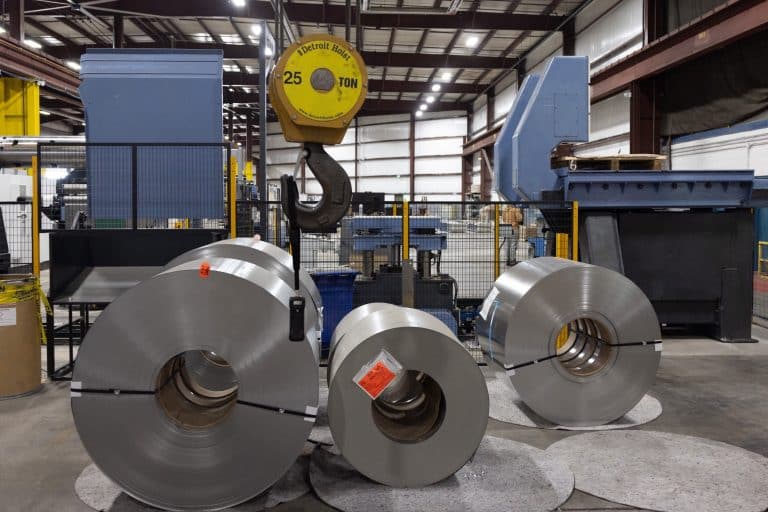
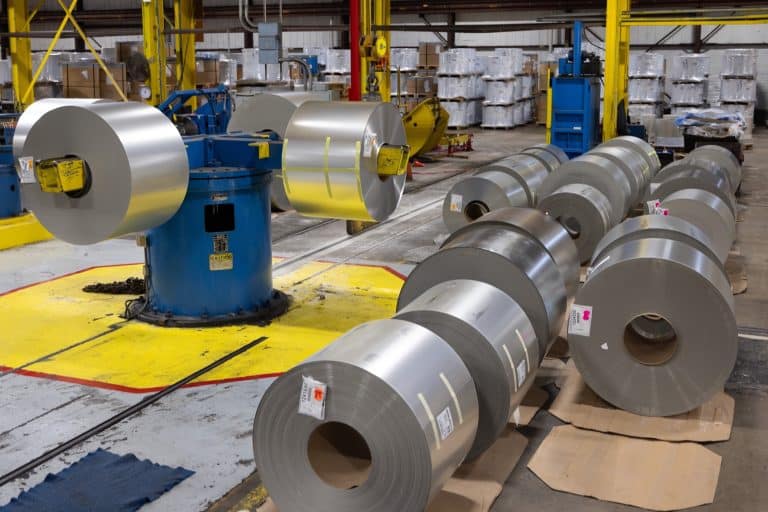
Galvanized steel coil is steel that has been coated with a layer of zinc, commonly through a hot-dip galvanizing process.
The zinc coating covers the steel surface and helps reduce direct exposure to conditions that can cause oxidation. A qualified galvanized steel coil supplier in Toledo, Ohio can help manufacturers evaluate coating weight, base-metal properties, dimensions, and other specifications based on the intended application.
How Does the Zinc Coating Create a Barrier?
The zinc layer helps separate the steel from moisture and oxygen.
Assuming the coating remains in place, it reduces the amount of direct contact between the steel surface and the surrounding environment. This barrier protection is one of the primary reasons galvanized steel is used in applications where corrosion resistance is important.
The coating also develops protective corrosion products over time that can further slow the reaction between the zinc and the environment.
What Is Sacrificial Protection?
Zinc does more than simply cover the steel.
Zinc is more chemically active than iron, so when both metals are exposed in the presence of an electrolyte such as moisture, the zinc corrodes preferentially. This is often called sacrificial or cathodic protection.
That behavior can help protect exposed areas of steel where the coating has been scratched or cut, although the amount of protection depends on the size of the exposed area and the surrounding conditions.
Does Galvanized Steel Rust If the Coating Is Damaged?
It can, but minor coating damage does not automatically mean the steel will begin rusting immediately.
The nearby zinc may continue to provide sacrificial protection to an exposed area. Larger damaged areas, severely depleted coatings, or aggressive environments can reduce that protection and allow corrosion to reach the steel.
An experienced galvanized steel coil supplier in Toledo, Ohio can help buyers understand how coating requirements relate to the conditions a finished component may encounter.
Why Does Coating Weight Matter?
Coating weight indicates how much zinc has been applied to the steel.
Different applications may call for different coating specifications depending on expected exposure, fabrication needs, and service conditions. A heavier zinc coating generally provides more zinc available for corrosion protection, but the correct specification should be selected for the actual manufacturing and end-use requirements.
Manufacturers should consider coating weight along with steel grade, thickness, formability, and downstream processing.
Can Galvanized Steel Be Formed and Fabricated?
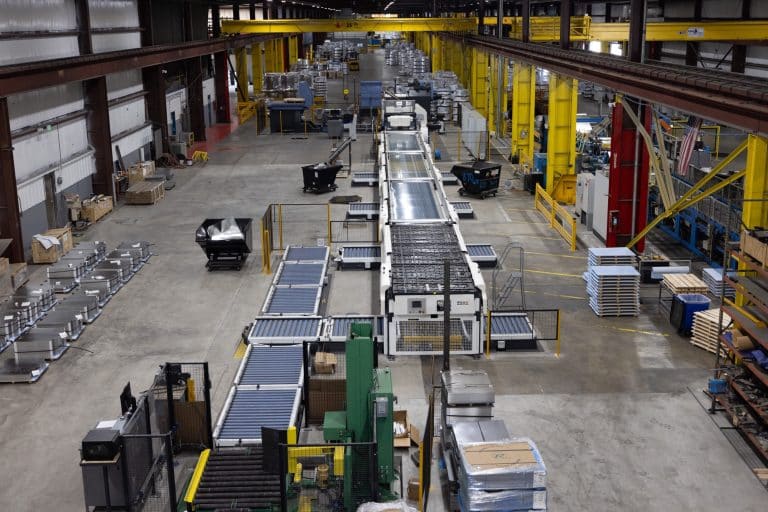
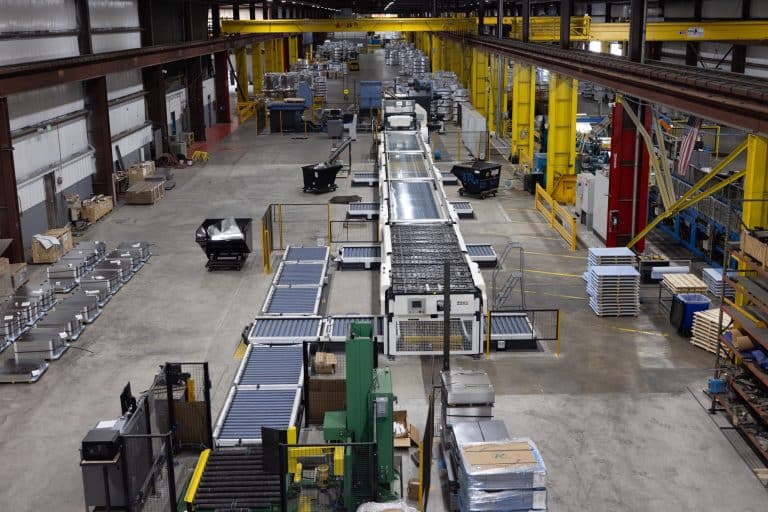
Yes. Galvanized steel coil can be processed for many manufacturing operations, including cutting, slitting, stamping, roll forming, and other fabrication methods.
The specific grade and coating should be matched to the forming process. Tight bends, drawing operations, welding, and other fabrication steps can place different demands on both the steel and the zinc coating.
For manufacturers in the Toledo, Ohio area, reviewing fabrication requirements before ordering material can help ensure the coil specification fits the intended production process.
Where Is Galvanized Steel Commonly Used?
Galvanized steel is used across construction, automotive, appliance, HVAC, agricultural, and general manufacturing applications.
Typical products can include panels, framing components, ductwork, enclosures, brackets, structural parts, and other fabricated items that benefit from zinc-coated steel.
The appropriate material depends on the component, exposure conditions, forming requirements, and expected service environment.
What Should Manufacturers Consider When Specifying Galvanized Coil?
Start with how the finished part will be made and where it will be used.
Steel grade, thickness, width, coating weight, surface condition, forming requirements, and additional processing can all influence material selection.
At Randall Metals, we support manufacturers with galvanized and other flat-rolled materials, along with processing capabilities that help prepare coil for downstream production.
Looking for a Galvanized Steel Coil Supplier in Toledo, Ohio?
Galvanizing protects steel by combining barrier protection with the sacrificial properties of zinc. A professional galvanized steel coil supplier in Toledo, Ohio can help manufacturers select material based on corrosion-resistance needs, fabrication requirements, and the conditions the finished product will face.
Our team works with industrial customers to source and process material around application-specific requirements. Contact us to discuss your galvanized steel coil specifications and production needs.