
Can Aluminum Sheet Be Welded or Formed? Insights from an Aluminum Sheet Supplier in Raleigh, North Carolina
Aluminum sheet is widely used in manufacturing and fabrication because it offers a useful combination of strength, light weight, corrosion resistance, and workability. For many projects, though, choosing aluminum is only the first step. The material also needs to perform properly during cutting, bending, forming, welding, and final assembly.
In many cases, aluminum sheet can be welded or formed, but the right approach depends on the alloy, temper, thickness, part design, and end-use requirements. Below, this aluminum sheet supplier in Raleigh, North Carolina is going to discuss how aluminum sheet is used in welded and formed applications, and we’ll also explain why selecting the right material is essential.
Aluminum Sheet Can Often Be Formed
Aluminum sheet is commonly used in formed components because it can be shaped into many different parts and profiles. Depending on the material and application, aluminum may be bent, stamped, drawn, rolled, or otherwise formed into the desired shape.
Forming performance depends heavily on the alloy and temper. Some aluminum grades are designed to offer better formability, while others are chosen for strength or other performance characteristics. If a project requires tight bends, deep draws, or complex shapes, the material should be selected with those forming needs in mind.
Alloy Selection Matters
Not all aluminum sheet behaves the same way. Different alloys have different strengths, levels of corrosion resistance, forming characteristics, and weldability. This is why choosing the right alloy is so important.
A part that needs to be bent into a simple shape may have different material requirements than a part that needs to be welded, exposed to outdoor conditions, or used in a structural assembly. A qualified aluminum sheet supplier in Raleigh, North Carolina can help customers think through the material characteristics that matter most for the application.
Temper Affects Formability
Temper refers to the condition of the aluminum and how it has been processed. It can affect hardness, strength, ductility, and the way the material responds during forming.
A softer temper may be easier to form, while a harder temper may offer greater strength but less flexibility during bending or shaping. If the temper is not matched to the fabrication process, the material may crack, spring back, or fail to form as expected.
Thickness Plays a Major Role
The thickness of the aluminum sheet also affects how it can be formed or welded. Thinner sheets may be easier to bend or shape, while thicker sheets may require more force, different equipment, or a different forming strategy.
Thickness also matters during welding. Heat input, joint design, distortion control, and the welding method can all be influenced by the gauge of the material. Industrial users in the Raleigh area should consider both the fabrication process and the final part requirements before selecting sheet thickness.
Aluminum Sheet Can Be Welded in Many Applications
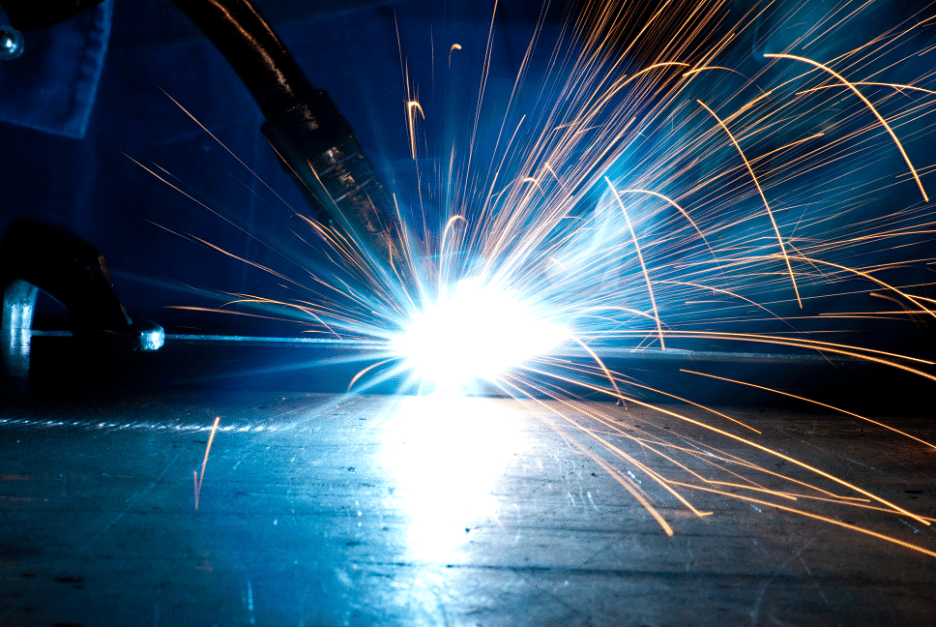
Aluminum sheet can be welded in a wide range of applications, but welding aluminum requires the right preparation, equipment, filler material, and process control. Aluminum conducts heat differently than steel, and it can be more sensitive to contamination during welding.
The weldability of the material depends on the alloy and the intended use of the finished part. Some aluminum alloys are more commonly welded than others. If welding is a key part of the project, that requirement should be discussed before material is selected.
Surface Condition and Finish Should Be Considered
The surface condition of aluminum sheet can affect forming, welding, appearance, and finishing. Surface quality may matter if the part will be painted, coated, exposed, or used in a visible application.
Scratches, surface defects, oil, or contamination can create problems during fabrication. For welded applications, clean material preparation is especially important. For formed parts, surface consistency can help support a cleaner finished component.
Processing Needs Should Be Planned Early
Aluminum sheet projects often involve more than one step. The material may need to be slit, cut, blanked, formed, welded, finished, or assembled. Thinking through these steps early can help avoid material issues later in production.
Important factors may include:
- Alloy requirements
- Temper selection
- Sheet thickness
- Bend radius
- Welding requirements
- Surface finish
- Dimensional tolerances
- End-use environment
These details can help determine which aluminum sheet product is appropriate for the job.
Supplier Support Can Help Prevent Material Mismatches
Choosing aluminum sheet based on one factor alone can lead to problems. A material that looks right on paper may not perform well if the alloy, temper, thickness, or finish does not match the fabrication process.
An experienced aluminum sheet supplier in Raleigh, North Carolina can explain how the material will perform when formed, welded, finished, and used. This support can be especially helpful for manufacturers that need consistency across repeat production runs or demanding fabrication requirements.
Looking for an Aluminum Sheet Supplier in Raleigh, North Carolina?
Aluminum sheet can often be welded or formed, but the right material depends on the alloy, temper, thickness, surface condition, fabrication process, and final application. If your project involves bending, shaping, welding, or further processing, a professional aluminum sheet supplier in Raleigh, North Carolina can help you choose material that fits the job.
At Randall Metals, we provide aluminum sheet and coil products for industrial and manufacturing applications. Contact us to learn more about our aluminum products and processing capabilities.