
What Is the Difference Between Cold Rolled and Hot Rolled Steel? A Cold Rolled Steel Coil Supplier in Charlotte, North Carolina Explains
Cold rolled steel and hot rolled steel are both widely used throughout manufacturing, fabrication, and industrial production processes. While the two materials originate from similar steel production methods, differences in processing create distinct characteristics that may affect surface finish, dimensional consistency, strength, and application suitability.
Because different industries often require different material properties, manufacturers and fabricators frequently compare cold rolled and hot rolled steel when selecting materials for production. Below, this cold rolled steel coil supplier in Charlotte, North Carolina is going to explain some of the primary differences between cold rolled and hot rolled steel, and we’ll also discuss how these materials are commonly used in industrial applications.
Hot Rolled Steel Is Processed at High Temperatures
Hot rolled steel is manufactured by processing steel at very high temperatures during the rolling stage.
Because the material remains heated during production, it can be more easily shaped and formed into:
- Steel sheets
- Structural components
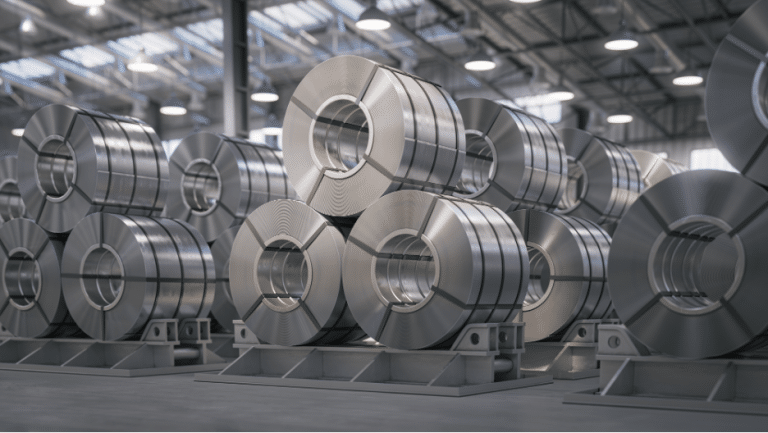
- Coils
- Industrial steel products
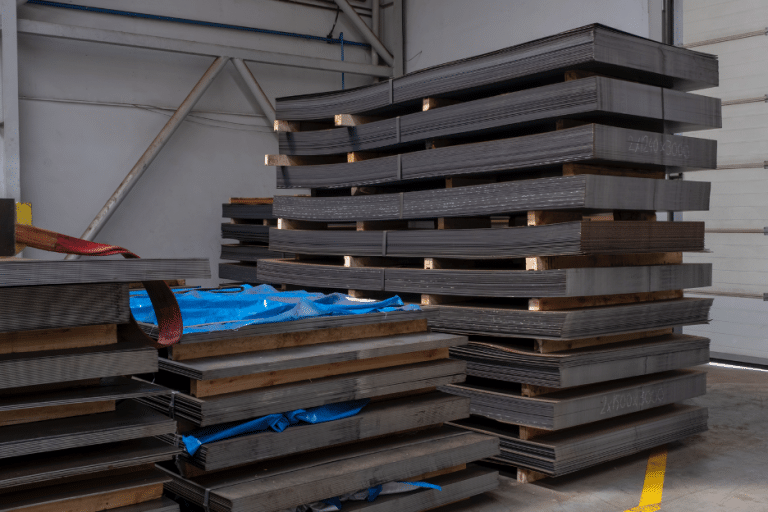
After cooling, the material may develop a rougher surface texture and slightly less precise dimensional tolerances compared to cold rolled products.
Cold Rolled Steel Undergoes Additional Processing
Cold rolled steel begins as hot rolled steel but undergoes additional processing after the initial rolling stage.
This additional processing often involves:
- Cooling the steel completely
- Re-rolling the material at room temperature
- Improving dimensional consistency
- Refining surface finish characteristics
These extra processing steps help produce steel with a smoother finish and more consistent tolerances.
Surface Finish Differences
One of the most noticeable differences between the two materials is surface appearance.
Cold rolled steel often features:
- A smoother finish
- Cleaner surface appearance
- More refined texture
- Greater dimensional precision
Hot rolled steel may retain:
- Mill scale residue
- Rougher texture
- Less uniform surface characteristics
In manufacturing facilities throughout the Charlotte area, cold rolled steel coil is commonly selected for applications requiring more precise surface quality and tighter dimensional consistency.
Dimensional Tolerances Can Vary
Cold rolled steel is frequently used in applications where tighter tolerances are important.
The additional processing involved with cold rolling may help improve:
- Thickness consistency
- Flatness
- Surface uniformity
- Dimensional precision
Hot rolled steel is often sufficient for applications where extremely tight tolerances are not required.
An experienced cold rolled steel coil supplier in Charlotte, North Carolina can help you determine which material specifications may best fit the needs of a particular production process.
Strength and Hardness Characteristics
Cold rolled steel may exhibit different strength and hardness characteristics because of the additional rolling process.
Depending on the application, manufacturers may select cold rolled steel for:
- Improved hardness
- Increased strength
- More consistent mechanical properties
However, the ideal material selection often depends on the fabrication method and performance requirements involved in the project.
Fabrication Requirements Often Influence Material Selection
Manufacturers frequently evaluate fabrication needs when comparing cold rolled and hot rolled steel.
Considerations may include:
- Welding requirements
- Forming processes
- Machining needs
- Surface finishing requirements
- Coating applications
Different production environments may prioritize different material characteristics depending on the intended finished product.
Application Types May Differ
Cold rolled and hot rolled steel are commonly used across a wide range of industries.
Cold rolled steel is often selected for:
- Precision manufacturing
- Appliance components
- Automotive parts
- Fabricated metal products
Hot rolled steel is commonly used for:
- Structural components
- Industrial equipment
- Construction materials
- General steel fabrication
The appropriate material often depends on the project’s performance and finishing requirements.
Material Consistency Can Be Important for Manufacturing
Manufacturers and fabricators often prioritize consistency when partnering with a rolled steel coil supplier in Charlotte, North Carolina.
Consistent material properties may help support:
- Production efficiency
- Reliable fabrication
- Predictable forming performance
- Surface finish consistency
Material quality and uniformity can play an important role in large-scale industrial manufacturing operations.
Looking for a Cold Rolled Steel Coil Supplier in Charlotte, North Carolina?
Cold rolled and hot rolled steel differ in processing methods, surface finish, dimensional tolerances, and common industrial applications. A professional cold rolled steel coil supplier in Charlotte, North Carolina can help evaluate your production requirements and recommend material solutions suited for your manufacturing or fabrication needs.
At Randall Metals, we supply cold rolled steel coil products for industrial, manufacturing, and fabrication applications throughout Charlotte and surrounding areas. Contact us to learn more about our available steel inventory and material solutions.