
What Industries Commonly Use Aluminum Coil? An Aluminum Coil Supplier in Rochester, New York Explains
Aluminum coil is used across many industries because it offers a useful combination of light weight, corrosion resistance, formability, and consistent material performance. It can be slit, cut, formed, stamped, coated, or finished depending on the part, product, or production process.
Below, this aluminum coil supplier in Rochester, New York is going to discuss the industries where aluminum coil is commonly used.
What Is Aluminum Coil?
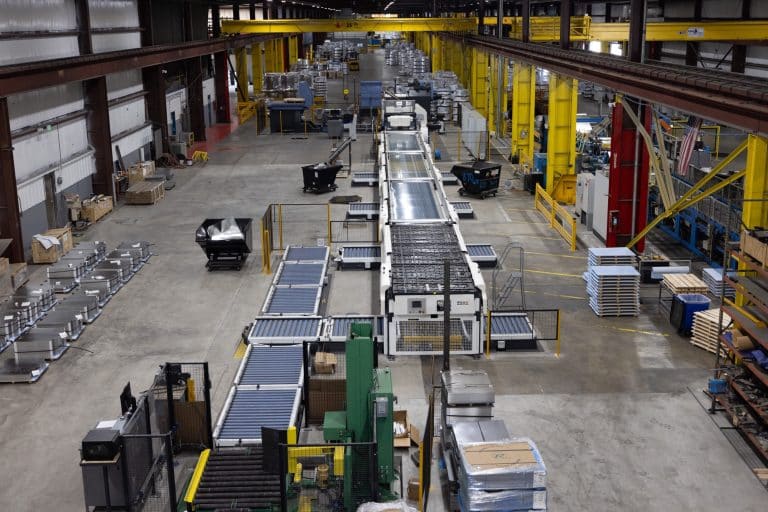
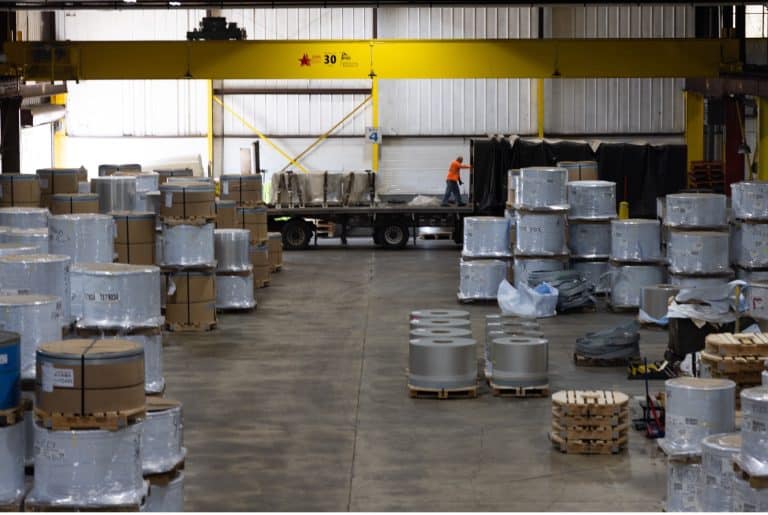
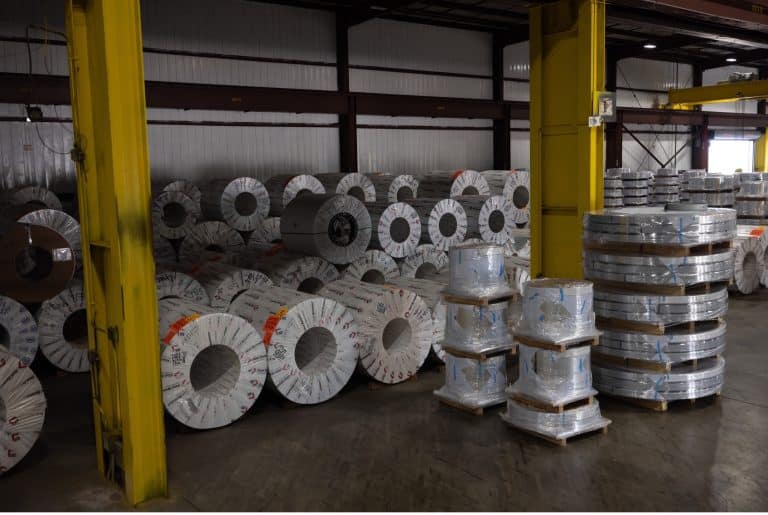
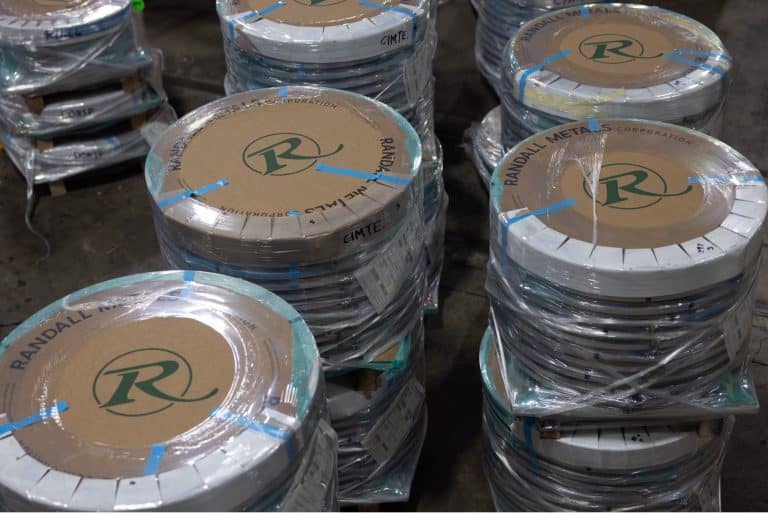
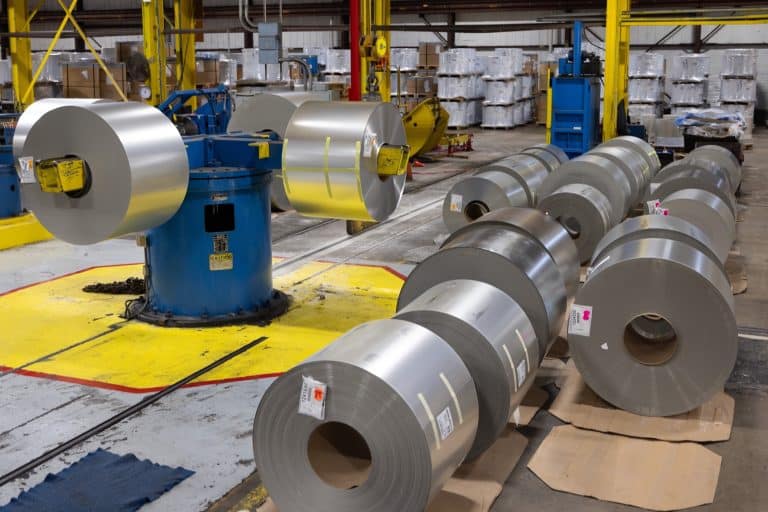
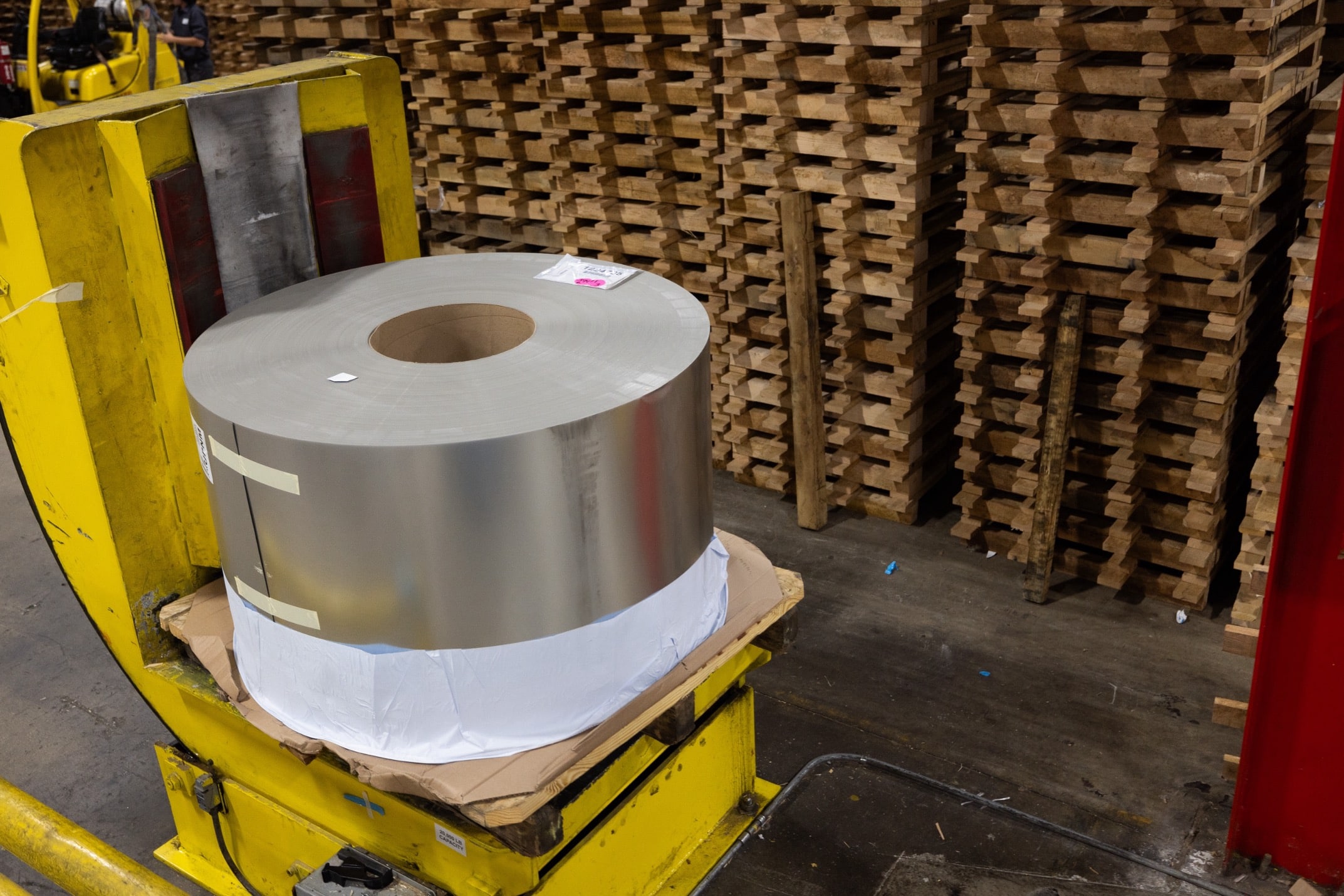
Aluminum coil is flat-rolled aluminum that is wound into a coil for processing, storage, and transportation. Manufacturers can unwind the coil and process it into sheets, blanks, strips, panels, or formed components.
Because aluminum coil is available in different alloys, thicknesses, tempers, and finishes, it can support many different manufacturing needs. The right material depends on how the coil will be processed and where the finished part will be used.
Aluminum coil is often chosen when manufacturers need a material that is workable, lightweight, and corrosion resistant.
Why Do Manufacturers Choose Aluminum Coil?
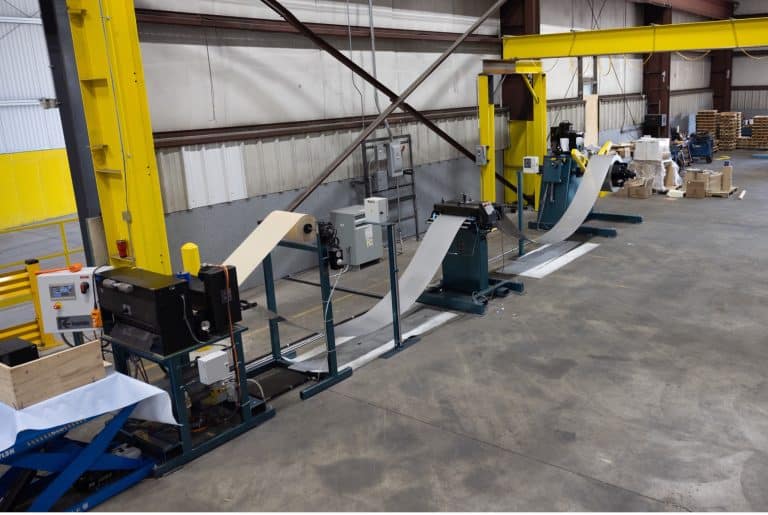
Manufacturers choose aluminum coil because it can move efficiently through production equipment and support repeatable part quality. Coil format can be useful for operations that involve slitting, blanking, stamping, forming, coating, or continuous production.
Aluminum also offers good strength-to-weight characteristics, which can make it valuable when weight reduction matters. Its corrosion resistance can also help support long-term performance in certain applications.
A good aluminum coil supplier in Rochester, New York can help you compare material options based on alloy, temper, thickness, finish, and production requirements.
How Is Aluminum Coil Used in the Automotive Industry?
The automotive industry commonly uses aluminum coil for parts and components where light weight, corrosion resistance, formability, and consistency are important. It may be used for panels, trim, shields, structural elements, brackets, and other manufactured parts.
Reducing weight can be an important goal in vehicle design and production. Aluminum coil can support that goal while still offering useful performance characteristics for formed and fabricated components.
The specific alloy and temper should be selected based on the part design and manufacturing process.
How Is Aluminum Coil Used in Construction?
Aluminum coil is used in construction for products that need durability, corrosion resistance, and a clean finished appearance. It may be used for roofing components, siding, trim, panels, gutters, flashing, architectural details, and other building-related applications.
Because aluminum can perform well in outdoor conditions, it is often used where weather exposure is part of the application. It can also be finished or coated to meet different appearance and performance goals.
Construction applications often require a balance of workability, appearance, and long-term durability.
How Is Aluminum Coil Used for Nameplates?
Aluminum coil is commonly used for nameplates because it can provide a smooth, consistent surface for branding, labeling, identification, and product information. Nameplates may be used on equipment, appliances, machinery, vehicles, and consumer products.
Surface quality matters in this type of application. The material may need to be printed, embossed, stamped, coated, or finished while maintaining a clean appearance.
A knowledgeable aluminum coil supplier in Rochester, New York can help manufacturers review surface finish and dimensional needs before production begins.
How Is Aluminum Coil Used in Packaging?
Aluminum coil is used in packaging because it is lightweight, formable, corrosion resistant, and suitable for certain protective applications. It may be processed into packaging components, closures, foils, containers, or other formed materials.
Packaging manufacturers often need material that can be formed consistently while protecting the product and supporting efficient production. Aluminum can also provide a clean appearance and useful barrier properties in certain applications.
The grade, thickness, and finish should match the specific packaging process.
How Is Aluminum Coil Used in the Solar Industry?
The solar industry can use aluminum coil for parts that need strength, corrosion resistance, and outdoor durability. Aluminum may be used in frames, mounting components, support parts, and other solar-related products.
Because solar equipment is often exposed to weather, material performance matters. Aluminum’s corrosion resistance and workability can make it useful for components that need to hold up over time.
The exact application will determine which alloy, thickness, and finish are appropriate.
How Is Aluminum Coil Used in Appliance Manufacturing?
Aluminum coil may be used in appliance manufacturing for panels, trim, housings, brackets, and other formed parts. Appliance components often need consistent dimensions, clean surfaces, and reliable forming performance.
Aluminum can also be useful when a lighter material is preferred or when corrosion resistance is part of the product requirement. Depending on the application, the material may be painted, coated, brushed, or finished.
The final part design should guide the material selection.
Why Do Alloy and Temper Matter?
Alloy and temper matter because they affect strength, formability, hardness, corrosion resistance, and how the material behaves during processing. Two aluminum coils may look similar but perform differently in stamping, bending, forming, or finishing.
Some applications need softer material that forms easily. Others need more strength, better surface appearance, or a specific finish.
Choosing the right alloy and temper helps reduce production issues and supports more consistent finished parts.
What Should Manufacturers Consider Before Ordering Aluminum Coil?
Manufacturers should consider the application, alloy, temper, thickness, width, surface finish, coating needs, forming requirements, and final part specifications. It is also important to think about whether the coil will be slit, blanked, stamped, painted, anodized, or assembled into another product.
For manufacturers in the Rochester area, reviewing these details early can help make sure the aluminum coil fits the production process instead of creating problems once the material reaches the line.
A clear material specification helps keep manufacturing more efficient and consistent.
Looking for an Aluminum Coil Supplier in Rochester, New York?
Aluminum coil is commonly used in industries such as automotive, construction, nameplates, packaging, solar, appliances, and general manufacturing because it offers light weight, corrosion resistance, formability, and consistent processing performance. If your production work depends on material that can be slit, formed, stamped, finished, or fabricated reliably, an aluminum coil supplier in Rochester, New York can help you choose the right option.
At Randall Metals, we supply aluminum coil and related flat-rolled products for manufacturers with demanding production needs. Contact us to select aluminum coil that fits your industry, application, and manufacturing process.